USDC Deep Dive: Why Circle's Regulated Stablecoin Is the 2026 Standard
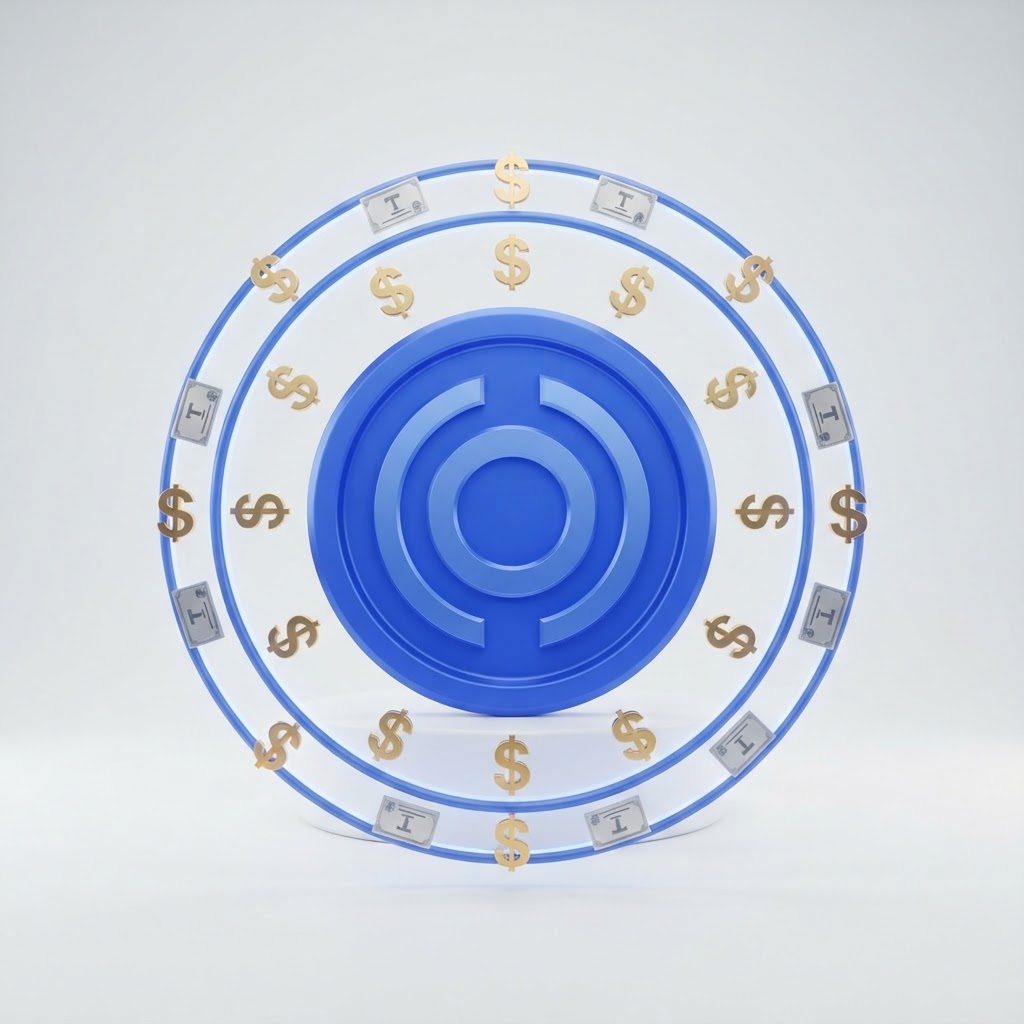
What is USDC?
USDC is a US-dollar-pegged stablecoin issued by Circle Internet Financial. Launched in 2018 as a collaboration between Circle and Coinbase, it has become the most institutionally adopted stablecoin, used for treasury management, cross-border payments, DeFi collateral and on-chain settlement.
What backs every USDC
Each USDC is backed 1:1 by reserves held in segregated accounts at regulated US financial institutions. The reserve composition is:
- Cash held at US banks
- Short-dated US Treasury bills
Circle publishes monthly attestations by a Big Four auditor confirming that reserves exceed the circulating USDC supply. Reserves are bankruptcy-remote from Circle itself — if Circle failed, the reserves would still back redemptions.
Why USDC is the regulated standard
1. Audited reserves
Monthly Big Four reports — not just attestations — give auditors and CFOs what they need to hold USDC on a balance sheet.
2. US regulatory framework
USDC is issued under US money transmission licensing. Circle is a regulated money transmitter in the US and holds an electronic money license in Europe.
3. Chain breadth
USDC is native on Ethereum, Solana, Base, Polygon, Arbitrum, Optimism, Avalanche and more. Cross-chain USDC (the native version) settles through Circle's mint/burn infrastructure, not bridges — which removes bridge risk entirely.
USDC vs bridged versions
This matters more than people realize:
- Native USDC — issued directly by Circle on each chain. Always 1:1 redeemable. The only "real" USDC.
- Bridged USDC (USDC.e) — wrapped via a third-party bridge. Backed by a bridge contract, not Circle. Redeemability depends on the bridge.
Always check which version your destination expects. On 1TCH, payouts are native USDC.
Where USDC is used
- Business treasury: holding dollar exposure without a US bank account.
- Payroll: paying global contractors in USDC.
- Cross-border B2B: settling invoices in seconds instead of days.
- DeFi: the dominant collateral and lending asset.
- On-chain settlement: paying for services, API credits, compute.
The SVB stress test
In March 2023, Silicon Valley Bank failed. Circle held $3.3B of USDC reserves at SVB. USDC briefly de-pegged to ~$0.87 on fears the reserves were trapped. Within 48 hours, the US FDIC guaranteed all SVB deposits, Circle confirmed full recoverability, and USDC re-pegged to $1.
The episode was actually a positive signal: the reserve framework worked, redemptions were honored, and the de-peg was a market panic, not a solvency event.
How to get USDC
On 1TCH, you fund with Wire, ACH, SEPA, SPEI or UK Faster Payments. The balance is held as USDB (Bridge's custodial dollar) and pays out as native on-chain USDC to any address on Solana, Ethereum, Base or Polygon. Start here.